sustainabilityin action.
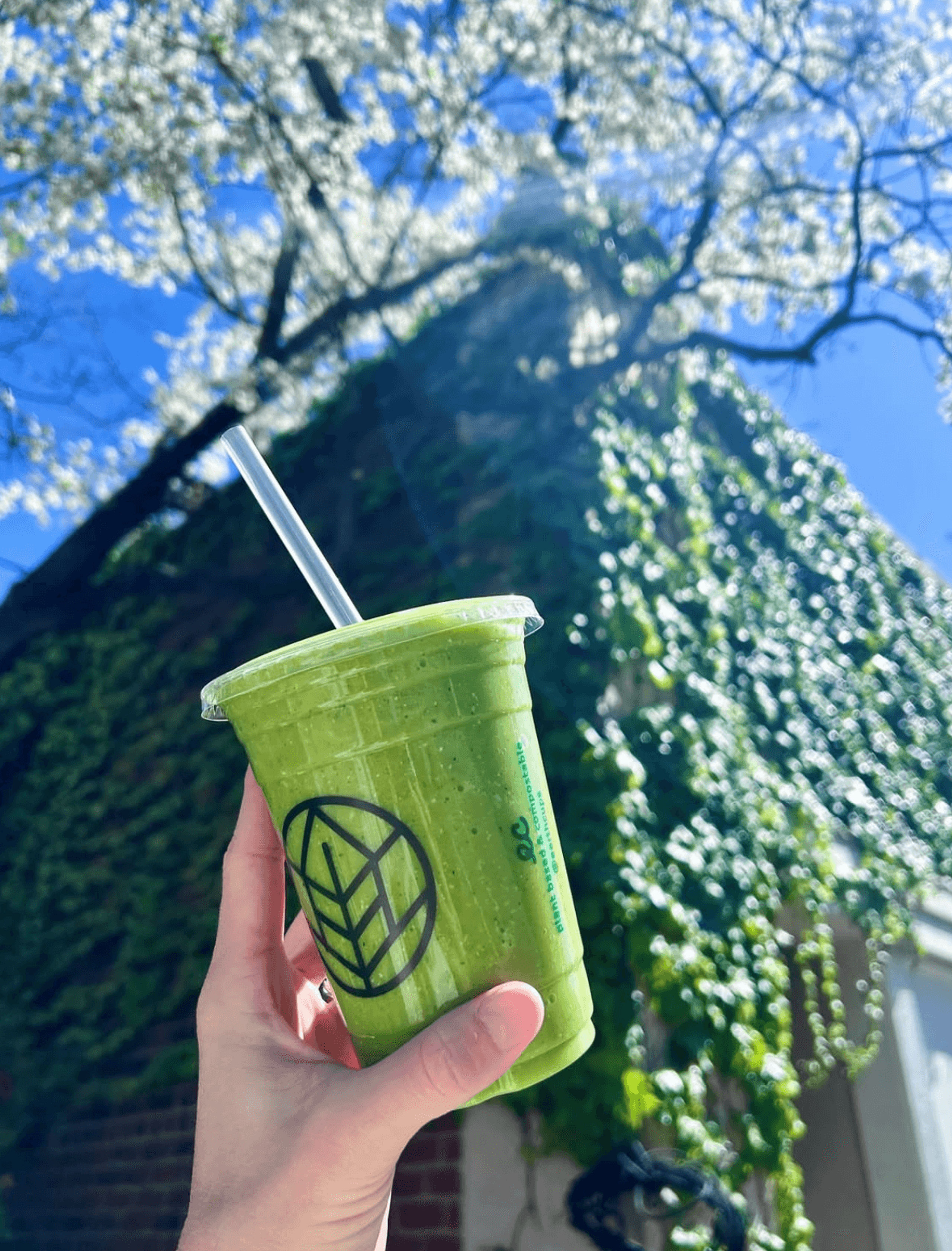

We don't just sell cups.We help close the loop.
Most of our work happens after the sale. We're on the ground with operations teams mapping waste streams, designing bin systems and signage, training staff mid-service, and measuring what actually gets diverted.
That work is the difference between a compostable cup and a composted one. It's also how we find out what local infrastructure can really handle.


In the field: Princeton Reunions 2026
The largest beer-selling eventin the country.
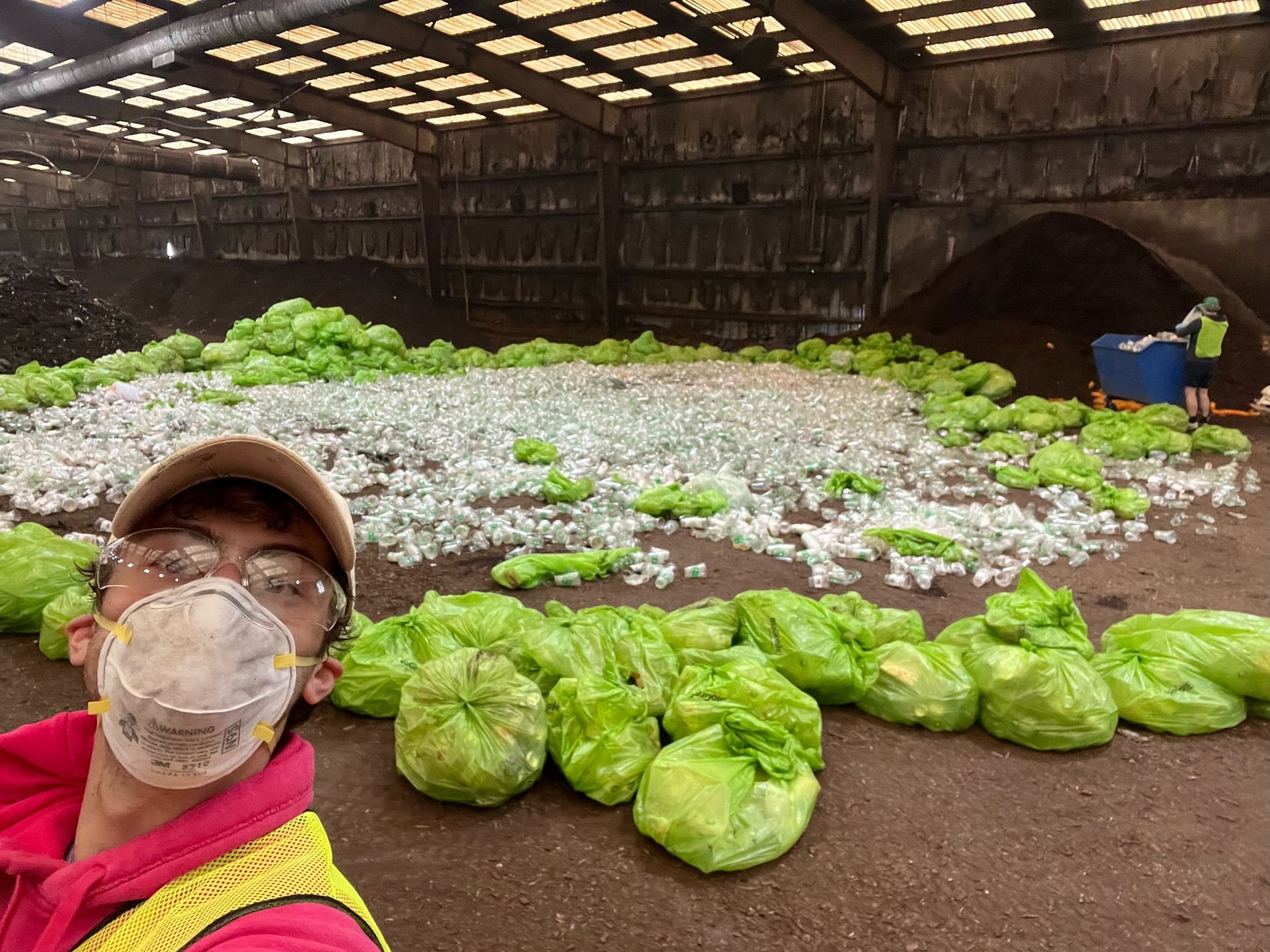
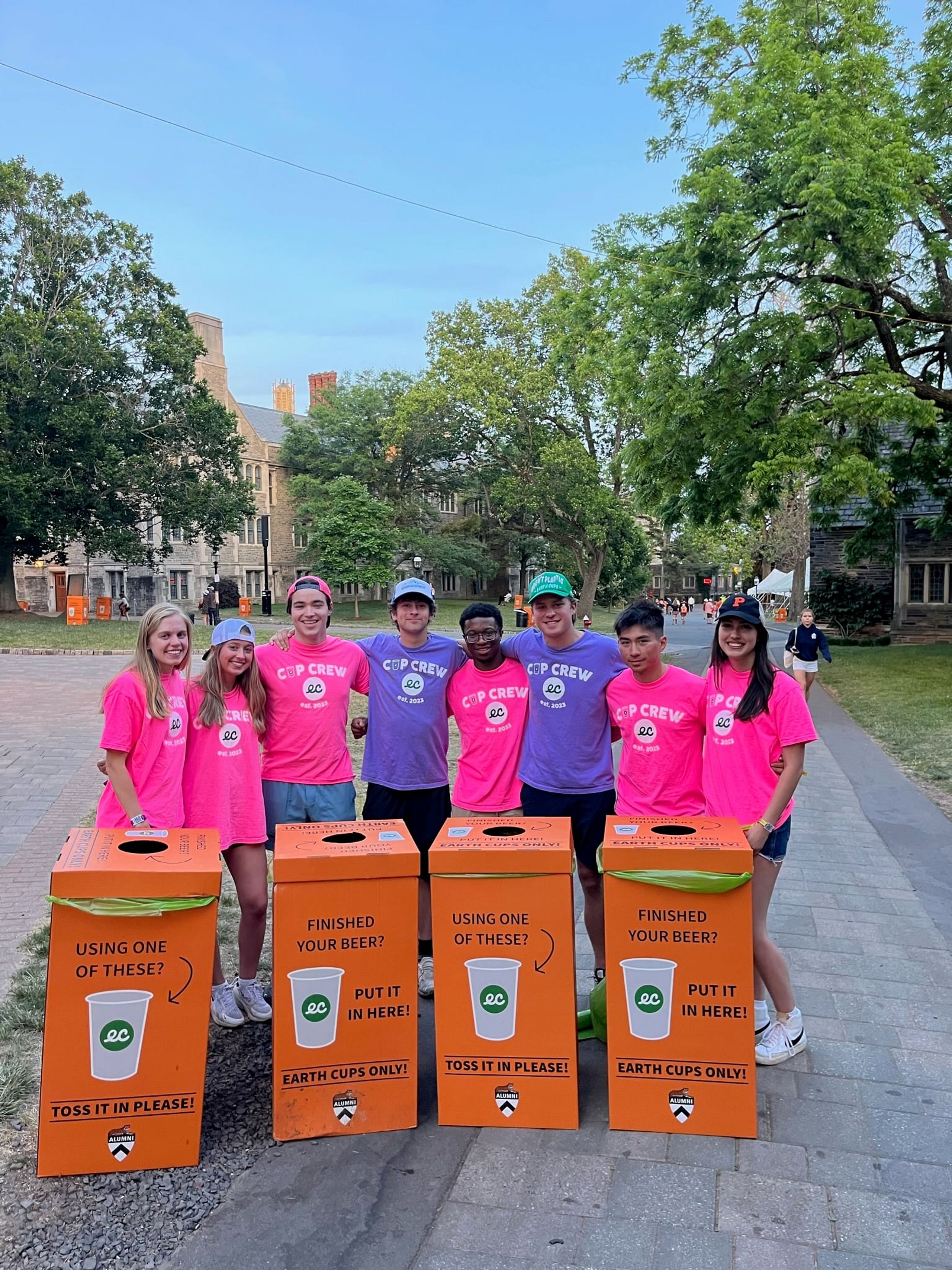
We've been partnering with Princeton University for their annual Princeton Reunions, the largest beer-selling event in the country. Our team is on the ground throughout the weekend, working hands-on with the event team to support waste diversion and implement closed-loop programming.
Choosing a compostable product is only one part of the process. What happens after the cup is used matters just as much. At Princeton Reunions, we were part of a broader effort to make compostable serviceware a practical part of the guest experience, not just a marketing claim.
Princeton Reunions 2026,by the numbers.
97,467
cups diverted from landfill
2,437
pounds of PLA composted
1,742
net pounds of CO₂ avoided
1,742 lbs CO₂ avoided is equivalent to
2,012
miles driven
by a gas-powered passenger vehicle
88.9
gallons of gasoline
consumed
63,882
smartphones
fully charged
* Impact estimates based on the 2026 Princeton Reunions event review.
Making sustainabilitypart of the experience.
Large events create a unique sustainability challenge. Thousands of people are eating, drinking, and moving through the same spaces, often with multiple waste streams and limited time to think about where each item should be disposed of.
At Princeton Reunions, the Earth Brands team was part of a broader effort to divert event waste from landfill and make compostable serviceware a practical part of the guest experience.
Better materials.Better systems.
Sustainability doesn't stop when a product leaves someone's hand. We believe better materials should be paired with better systems: designing products with their end-of-life in mind, while helping businesses, venues, and events understand what's required to properly collect and process them.
At Princeton, the results show both sides: nearly 100,000 compostable cups diverted and measurable emissions savings, alongside a clear opportunity to improve waste sorting and composting infrastructure. That's what real-world sustainability looks like.
Partner with us

Better Materials. Better Systems.Measurable Impact.
It's not about claiming perfection. It's about measuring impact, understanding where systems can improve, and continuing to make better choices.
Stay in the loop
Get the latest on sustainable packaging.
Unsubscribe anytime. We respect your privacy.
