PET vs. PLA Cups
PET vs. PLA Cups: How Businesses Should Choose the Right Cup for Their Needs
Choosing the right cup for your business can feel like a small decision. But when you’re ordering thousands of cups at a time, the material you choose can have a meaningful impact on your operations, customer experience, cost, and sustainability goals.
Two of the most common options for cold beverages are PET and PLA cups. Both have their place, but they serve different purposes.
So, how should your business decide which is right for you?
The short answer: start with how your cups will be used, then consider your sustainability goals, disposal infrastructure, and budget.
Here’s what to know.
What Is PET?
PET (polyethylene terephthalate) is a widely used plastic material that is known for being durable, clear, and lightweight.
You’ve probably encountered PET in everything from beverage bottles to food packaging.
For businesses, PET cups are a popular choice because they offer:
Excellent clarity for showcasing drinks
Strong durability and rigidity
Resistance to cracking
Reliable performance for cold beverages
Compatibility with a wide range of lids and accessories
Recyclability where appropriate recycling infrastructure exists
PET is particularly well suited for businesses where product visibility and durability are priorities.
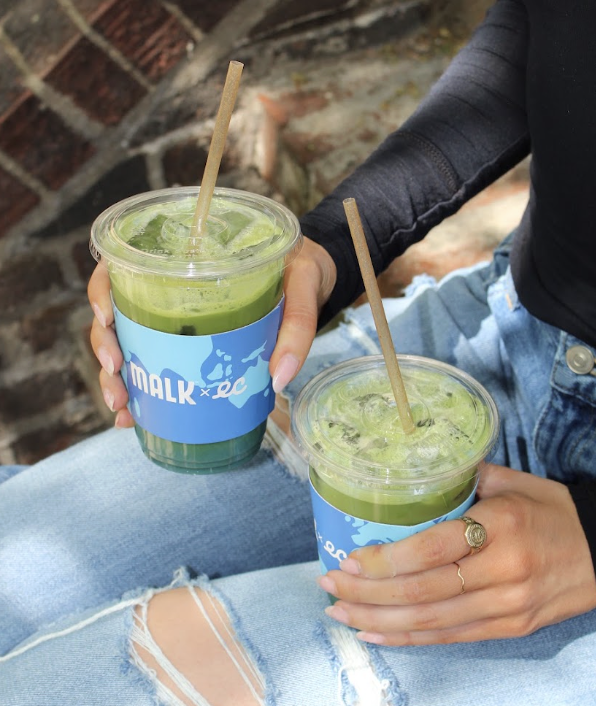
Think iced coffees, smoothies, juices, lemonades, cocktails, and other drinks where you want customers to see the beverage inside the cup.
What Is PLA?
PLA (polylactic acid) is a plant-based material commonly made from renewable resources such as corn or other plant starches.
PLA can provide the clear, familiar look of a traditional plastic cup while offering businesses a plant-based alternative.
PLA cups are a strong option for businesses that are looking to:
Incorporate plant-based materials into their packaging
Reduce reliance on conventional petroleum-based plastics
Align their packaging with sustainability initiatives
Offer customers an alternative to traditional plastic
Maintain the clear appearance customers expect from cold cups
One important consideration: PLA is designed for commercial composting, where accepted and available, rather than conventional recycling. Businesses should always consider their local waste infrastructure and clearly communicate the appropriate disposal method to customers.
PET vs. PLA: What’s the Difference?
At first glance, PET and PLA cups can look very similar. The biggest differences come down to material source, end-of-life options, durability, and your business's sustainability strategy.
PETPLAMaterialConventional plasticPlant-based plasticAppearanceClearClearBest forDurability + versatilityPlant-based packaging goalsCold beveragesYesYesRecyclingWhere acceptedGenerally not accepted in conventional recyclingCompostingNoCommercial composting, where acceptedSustainability considerationRecyclabilityRenewable, plant-based materialIdeal forHigh-volume beverage programsBusinesses prioritizing plant-based packaging
So, Which Cup Should Your Business Choose?
There isn't one universal answer.
The best choice depends on what matters most to your business.
Choose PET If...
Durability is your top priority.
If your cups need to withstand transportation, busy service environments, delivery, or high-volume use, PET can be a reliable option.
You have access to recycling.
If your customers or business have access to a recycling system that accepts PET cups, PET may fit well within your existing waste stream.
Drink visibility is important.
PET provides excellent clarity, making it a great choice for colorful drinks, layered beverages, smoothies, and other products where presentation matters.
You want a familiar, versatile option.
PET is widely used across foodservice, meaning many businesses already have established systems for ordering, storing, using, and disposing of it.
Choose PLA If...
You want to move toward plant-based packaging.
PLA gives businesses an opportunity to incorporate a renewable, plant-based material into their packaging strategy.
Sustainability is part of your brand story.
If sustainability is an important part of your customer proposition, PLA can help reinforce that positioning through a visible packaging choice.
You have access to commercial composting.
This is one of the most important considerations. PLA is intended for commercial composting environments, where accepted. If your business does not have access to appropriate composting infrastructure, you should factor that into your decision.
Your customers care about what their packaging is made from.
Packaging is often one of the most visible sustainability touchpoints a customer interacts with. A plant-based cup can be an easy way to communicate that your business is thinking beyond the product itself.
Don't Forget About Your Local Waste Infrastructure
This is perhaps the most important part of the decision.
A cup's material doesn't tell the entire sustainability story. What happens to the cup after a customer finishes their drink matters, too.
Before switching materials, ask:
Does my city or waste provider accept PET cups?
Is commercial composting available near my business?
Will customers have access to the correct disposal bins?
Can my staff properly sort and communicate disposal instructions?
What happens to the cup after it leaves my business?
Does the material align with our company's sustainability goals?
For example, choosing a compostable cup doesn't automatically mean every cup will be composted. If there is no appropriate composting infrastructure available, the intended end-of-life pathway may not be accessible.
Similarly, choosing PET doesn't guarantee that a cup will be recycled. Recycling depends on collection systems, sorting, processing, and local acceptance.
The best packaging decision considers the entire lifecycle—not just the material itself.
Think About Your Customers, Too
Your cup is part of your customer's experience.
For a coffee shop, the cup might be in someone's hand for an hour as they walk around the city. For a fast-casual restaurant, it might travel across town. For an event, it might be one of hundreds or thousands of cups used in a single afternoon.
Consider what you want your packaging to communicate.
Do you want to emphasize:
Durability and recyclability? PET may be the better fit.
Plant-based materials and compostability? PLA may make more sense.
A combination of both across different locations or use cases? You don't necessarily have to choose just one.
You Don't Have to Use the Same Material for Everything
One of the biggest mistakes businesses make is assuming they need one cup material across every application.
Your packaging strategy can be more nuanced.
For example, a coffee shop might use:
PLA cups for everyday cold drinks as part of a plant-based packaging initiative
PET cups for specific applications where additional durability is needed
Paper cups for hot beverages
The right approach depends on your products, customers, operations, and available waste infrastructure.
The Bottom Line
Choosing between PET and PLA isn't about finding the universally "better" cup.
It's about finding the right cup for your business.
If you prioritize durability, clarity, and compatibility with existing recycling systems, PET may be the right choice.
If you're looking to incorporate plant-based materials and have access to appropriate commercial composting infrastructure, PLA may be the better fit.
And if you're not sure? Start by looking at your current operations.
Where do your cups go? How are they disposed of? What matters most to your customers? And what sustainability commitments does your business want to make?
Once you answer those questions, the right material becomes a lot easier to identify.
Ready to Find the Right Cup for Your Business?
At Earth Cups, we offer both PET and PLA options to help businesses choose the material that best fits their needs.
Whether you're a coffee shop, restaurant, fast-casual concept, event venue, or growing hospitality brand, our team can help you find the right cup for your operation.
Explore Earth Cups and find the right fit for your business.
Frequently asked questions
- What are the key differences between PET and PLA cups?
- The key differences between PET and PLA cups include their material source, end-of-life options, and durability. PET is a conventional plastic known for its durability and recyclability where accepted, while PLA is a plant-based plastic designed for commercial composting.
- What should I consider about waste infrastructure when choosing between PET and PLA cups?
- Consider whether your city or waste provider accepts PET cups and if commercial composting for PLA is available near your business. Understanding your local waste infrastructure is crucial for ensuring that the chosen cup material aligns with your sustainability goals.